


Eerie creatures enrich ecosystems at LRWP preserves

In the coming days, swarms of ghosts and ghouls will prowl the night. At Little River Wetlands Project nature preserves, it’s haunting time year-round for some creatures.
The properties harbor a host of creepy critters. They all play a role, though, in conjuring up functioning ecosystems at their nature preserve.
Here are just a few of the spooky species you may see. Information about their roles in their ecosystem was provided by Aly Munger, LRWP wetland educator.
Little brown bats:
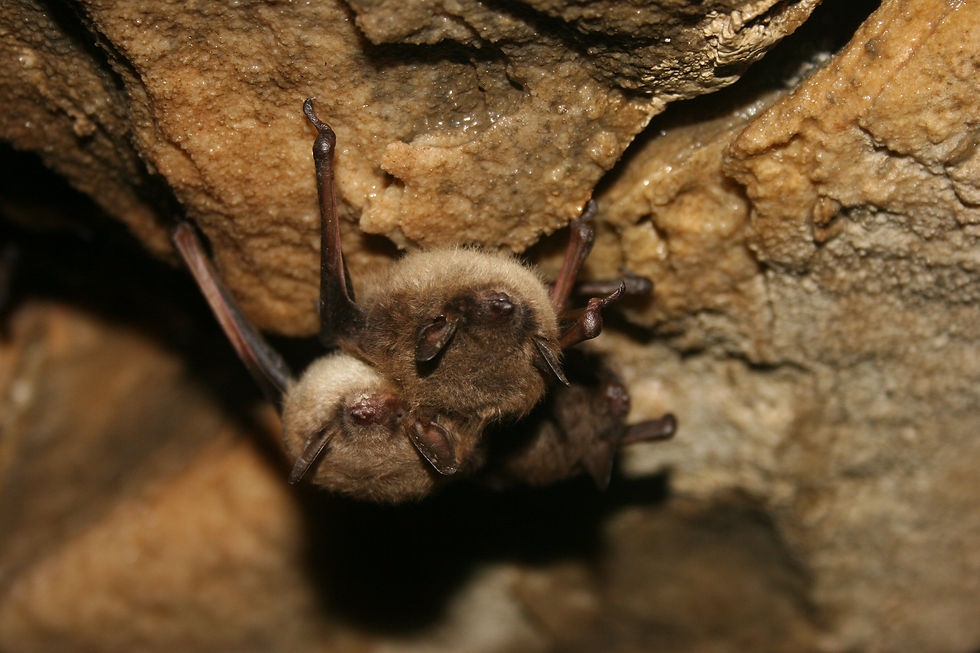
They flutter through the night, but they don’t “vant” to drink your blood.
This bat species historically has haunted forested areas from Alaska and Canada, through most U.S. states and into central Mexico, the U.S. Fish and Wildlife Service said on its website, https://www.fws.gov/species/little-brown-bat-myotis-lucifugus. In recent years, however, the fungal disease white-nose syndrome has wiped out many little brown bats in eastern North America. They also are threatened by wind turbines.
They prefer to live in forested areas near water, so wetlands offer great places to “hang.” They often spend the winters in warmer locations, such as caves and mines.
At LRWP nature preserves, they sink their teeth into insects such as moths and beetles, which helps keep bug populations in check.
DeKay’s brown snake:

These small, secretive snakes may give you a scare when you turn over a rock, limb or other object, but they are harmless. Typically only 9 inches to 13 inches long, they prefer living in moist environments, including in urban areas, the Missouri Department of Conservation said on its website, https://mdc.mo.gov/discover-nature/field-guide/dekays-brownsnake.
They can be found throughout most of the eastern United States and into Canada, various websites said.
They eat earthworms, slugs, snails and some insects, the Missouri conservation department website said. When threatened, they can flatten their head and neck and release a musky-smelling substance from near the base of their tail. Ewww!
Other snakes living at LRWP preserves prey on rodents and other small animals, which keeps those populations at healthy levels.
Spiders:

Eight eyes and legs, fangs, and possibly a hairy body definitely conjure up creepiness. It’s even scarier if you run into a spider’s web in the dark of night and find yourself trying to brush off the sticky silk threads with hopes the spider isn’t lurking on your hair or shoulder.
Their ghoulish dining habits include injecting venom into their prey to paralyze it, the Missouri Department of Conservation website said at https://mdc.mo.gov/wildlife/wildlife-facts/insect-spider-and-kin-facts/spider-facts. Spiders then inject digestive juices that dissolve the prey’s insides, which the spider sucks out with its mouth.
You can find spiders almost everywhere. At LRWP nature preserves, spiders eat insects and small invertebrates. That helps prevent those populations from overrunning the landscape.
Dragonfly nymphs:

With large eyes, drab body colors, six legs bearing two claws each, and a jaw that spreads across most of the lower part of their head, dragonfly nymphs look like mini monsters. They lurk in waters all across the United States and also around the world.
Dragonflies have zipped through the skies for millions of years, with their earliest ancestors dating back 300 million years — before the time of the dinosaurs, the National Park Service said on its website, https://www.nps.gov/articles/species-spotlight-dragonflies.htm. Dragonfly nymphs live for several months to several years in water before emerging to start their approximately 1 month life as adults.
While lurking in the water, the nymphs eat other small aquatic creatures such as mosquito and other insect larvae, newly hatched tadpoles and small fish, the National Park Service website said.
Mosquitoes and ticks:

These little vampires do “vant” to suck your blood.
Mosquitoes live around the world, typically near water. Only female mosquitoes bite and suck blood from people and animals, the U.S. Environmental Protection Agency said on its website, https://www.epa.gov/mosquitocontrol/mosquito-life-cycle.
The females lay eggs in water, with many species preferring standing or stagnant water. The young larvae spend about two weeks in the water before emerging as an adult.
The larvae provide food for fish and other aquatic creatures. Adult mosquitoes become dinner for bats, birds and other animals. Some mosquito species, however, spread diseases, such as malaria, dengue, Zika Virus and West Nile Virus.
Ticks also are found throughout the United States and the world, the U.S. Centers for Disease Control and Prevention said on its website, https://www.cdc.gov/ticks/about/where-ticks-live.html.
The CDC said ticks typically go through four life stages: egg, six-legged larva, eight-legged nymph, and adult. Most ticks like to suck blood from a different victim during each stage of their lives.
When it’s time to lay eggs, adult females drop off their host and deposit eggs in leaf litter or other soft areas on the ground, the Tick Research Lab of Pennsylvania said on its website, https://www.ticklab.org/blog/2020/12/01/the-tick-lifecycle/.
Just as with mosquitoes, ticks play an important role in the wetlands food web. They are foo9d sources for some birds and animals.
So next time you’re walking through a LRWP nature preserve and scary creatures give you a chill, remember: they help keep the ecosystem functioning successfully.


Comments