


Nature is resilient.

Spring inspires hope.
It’s not just the sunny yellow of daffodils, the colorful rainbow of crocuses, hyacinths and tulips, or the bright green grass. On our block, it’s seeing the pinkish-white blossoms of spring beauties, a wildflower usually found in wooded areas, sprinkled across our lawn and few others. It’s a reminder a bit of Nature still exists here, even in what has been a residential neighborhood for more than a century.

Nature is resilient. It can make remarkable comebacks. Many times, though, it needs a little help. That’s where conservation groups, such as Little River Wetlands Project (LRWP), and the organizations’ staffs and volunteers make such a difference.
LRWP works to restore and preserve wetlands in the Little River valley that people drained in the late 1800s to convert the land to farming.
Site work began in 2000 on land that is now Arrowhead Marsh and Arrowhead Prairie, located on Aboite Road just west of Fort Wayne. Restoration of Eagle Marsh began in 2005 and eventually included planting more than 500 acres in native grasses and forbs (flowering plants) and planting more than 45,000 native trees and shrubs.
Some native plant seeds can lay dormant for 80 years or more in a “seed bank” in a property’s soil, just waiting for the right conditions to germinate and sprout, the Wisconsin Department of Natural Resources notes in its 2010 publication, “Wetland Restoration Handbook for Wisconsin Landowners.”
Other native plant seeds in the seed bank may have been deposited more recently by remnant populations of the site’s original plant community, the publication said.
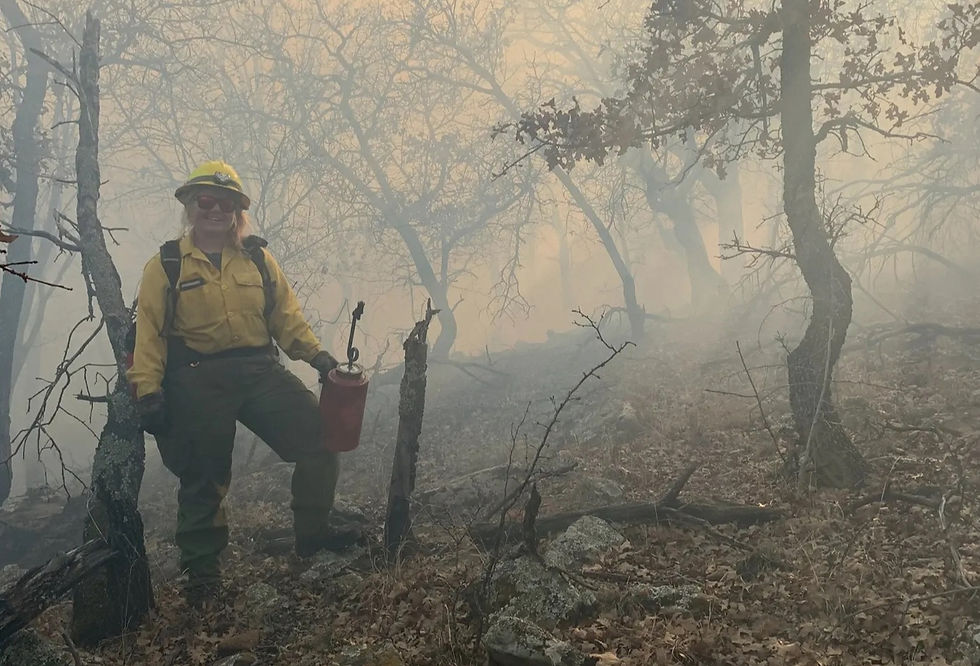
But unleashing that resiliency can take multiple years of prescribed burns on an area or the removal of invasive species before the seed bank will grow, said Lexi Schmidt, who started work late last year as LRWP’s land manager.
LRWP staff occasionally have found native plants growing at Eagle Marsh where staff didn’t think any seeds had been planted, said Don Cunningham, who has worked as an LRWP preserve steward since 2009. “Sometimes Nature has surprised us,” Cunningham added.
Generally, though, the natural beauty you see now at LRWP preserves currently requires human assistance.
Upland prairie plants have done well where they have been planted, Cunningham said.
Wildlife also has returned. Animals now using Eagle Marsh, for example, include mink, otters, beavers and turtles, Cunningham said. Recently, he believes he has seen more snakes than in the past, but fewer frogs.
The marsh also has attracted more than 250 species of birds, including eagles, sandhill cranes and more than two dozen species considered threatened or endangered in Indiana. Some birds live there year-round. Others are seasonal residents during warmer months or visitors stopping in to rest and refuel during their spring or fall migrations.
However, Nature’s resilience can work against you, Schmidt noted. Some invasive species, for example, have become resistant to herbicides.
“Different species, whether or not you want them to, they will adapt and overcome challenges,” she said.
For example, Cunningham has noticed Canada thistle and some grasses, both of which prefer dryer soils, now show up in wetter areas of Eagle Marsh.
At LRWP preserves, native wetland plants have faced challenges from invasive species that spread easily in a watery environment, Cunningham said. The water disperses invasive plants’ falling seeds. The damp, muck soils also make it easier for their roots and rhizomes to spread. In addition, LRWP staff and volunteers often can’t get to wet or muddy areas to eradicate invasive species, he and Schmidt said.
Now, for example, 99% of the cattails at Eagle Marsh are either an invasive variety or a hybrid of invasive and native cattails, Cunningham said.
Installation of the large berm through Eagle Marsh also changed water movement on the preserve, Schmidt said. The berm prevents invasive Asian carp from crossing from the Wabash River watershed into the Maumee River watershed and the Great Lakes.
With less water now in some areas, wetland plants originally seeded there are struggling, she said. LRWP staff are working with an advisory council to plan how to address the situation. Options could include changing some areas to upland prairies or grassland prairies, she said.
“We’re trying to decide what’s the best solution with the easiest way because it seems like Nature wants to do its course, and it wants it to be very woody in areas where it originally was planned not to be,” Schmidt explained. “So, do we try to fight Nature on that, or do we kind of just accept that maybe we should plant trees in these areas where we’re just getting a lot of invasive species.”
Decisions will be informed by use of historical maps and other information about what the Eagle Marsh area looked like before it was drained for farming, Schmidt said. They also will look at soil types, soil quality and what plants grow best in those conditions.
Schmidt said LRWP will follow a land-management plan designed to produce success within the limitations of a small staff and volunteer help.
“That’s kind of how we are designing the plan is looking at what we can manage and what is close to being what we need it to be, get those to being a nice exemplar, and then moving forward onto these harder sections that have just been kind of forgotten or just ran out of hands to get the work done,” she explained.
Schmidt hopes people and government agencies will help Nature by choosing to protect more land from development.
“Once we remove a wetland or a part of Nature that’s been established for thousands of years, once we destroy it, it’s just not going to go back to the same way it was,” she said. “We can try to replicate it, but we’re going to lose the originality of it.
“So, I’m hopeful in terms of places like our wetlands, as we continue to protect it over the years and keep monitoring it and improving it, it will become a really good place in Nature for organisms to thrive.”


Comments